Introduction
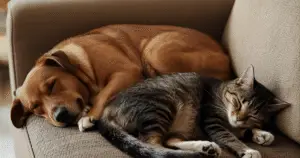
Have you ever watched your pet nap and thought,
“How can they sleep this much?” 😴
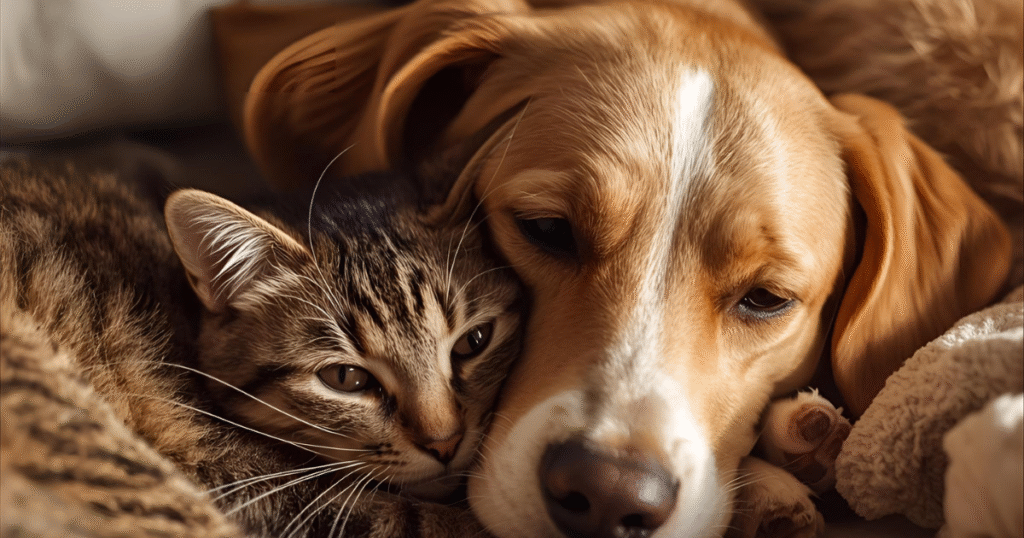
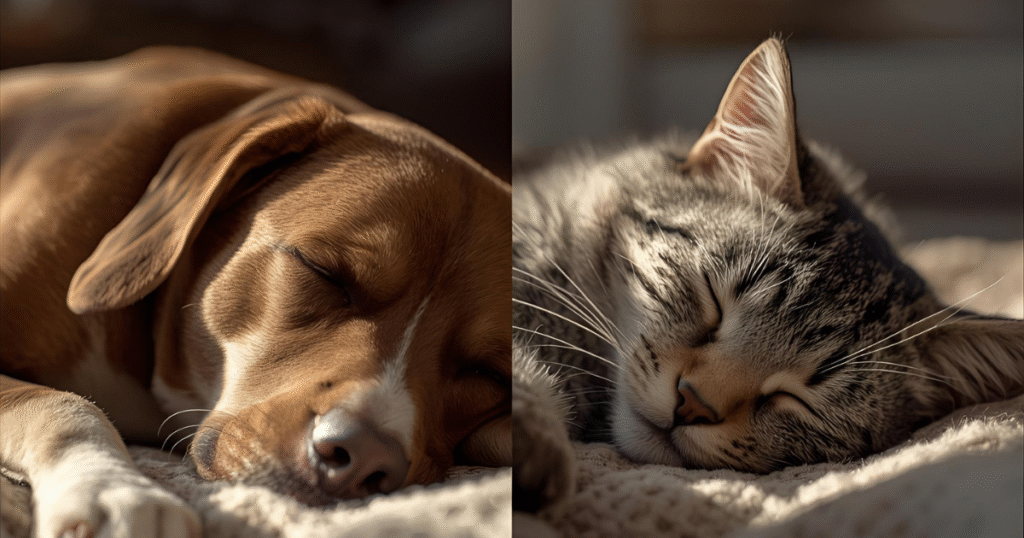
Whether it’s your cat dozing off in the sun or your dog curling up for the fifth nap of the day, it’s totally normal — and actually vital for their well-being.
Just like humans, pets rely on sleep to recharge their bodies, process emotions, and stay healthy. But their sleep patterns are very different from ours.
Understanding how much sleep cats and dogs really need helps you recognize what’s normal, when to worry, and how to create the perfect snooze setup for your furry best friend.
How Much Sleep Do Dogs Need?
Dogs are professional nappers — and for good reason.
The average adult dog sleeps 12 to 14 hours per day, depending on their breed, age, and daily activity.
By Age:
- Puppies: 18–20 hours per day (they grow while sleeping!)
- Adults: 12–14 hours
- Seniors: 14–16 hours
Working breeds like Border Collies might sleep less due to higher daytime activity, while calm companions like Bulldogs or Basset Hounds are true nap champions.
Why Dogs Sleep So Much?
Dogs don’t sleep as deeply as humans — only about 20–25% of their sleep is “deep sleep.”
That means they wake up easily and often need multiple naps throughout the day.
They also dream!
If you’ve ever seen your dog twitch, wag, or make tiny running motions while asleep, they’re likely dreaming about their daily adventures — chasing a ball, running in the park, or getting treats. 🍖
Signs Your Dog Is Getting Good Sleep
✅ Sleeps peacefully without frequent wake-ups
✅ Breathes slowly, relaxed muscles
✅ Has regular nap times (morning + afternoon)
✅ Wakes up energized and happy
If your dog paces at night, whines, or struggles to settle, it might mean they’re uncomfortable, anxious, or in pain.
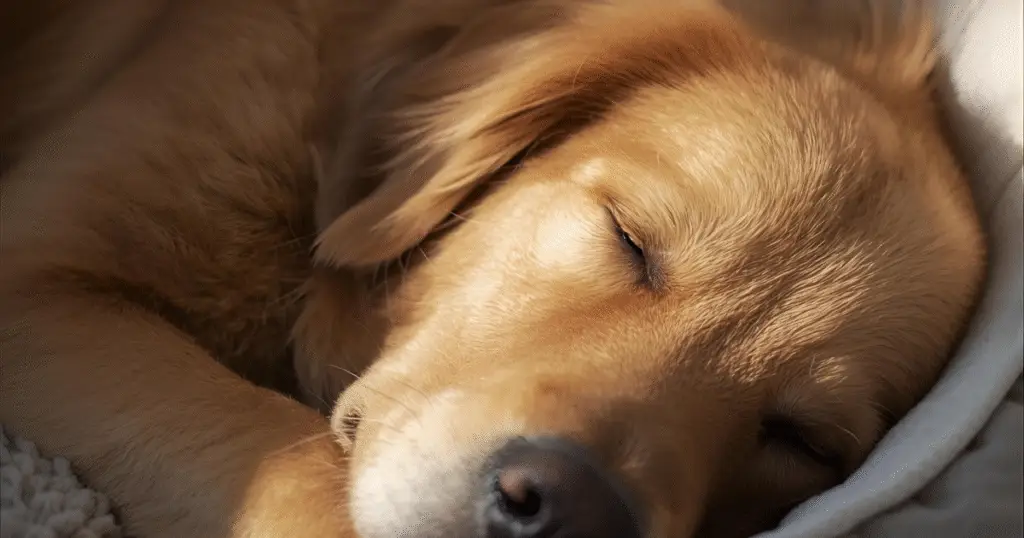
Creating the Perfect Sleep Environment for Dogs
A good night’s rest starts with comfort and routine.
Here’s how to help your dog sleep better:
1️⃣ Choose a comfortable bed: orthopedic or plush depending on their size and joints.
2️⃣ Keep it in a calm spot: away from doors, TVs, and drafts.
3️⃣ Dim lighting: dogs relax best in low-light environments.
4️⃣ Create a bedtime ritual: last walk, water, cuddle, lights off — same time every night.
5️⃣ White noise: a quiet fan or soft music helps soothe anxious dogs.
🦴 Bonus tip: Give your pup a small comfort toy or a blanket that smells like you — it helps them feel safe when you’re not around.
Common Sleep Problems in Dogs
Even good sleepers have off nights. Watch for these signs:
- Restlessness or pacing after bedtime
- Barking or whining for no reason
- Excessive sleeping or lethargy
- Snoring loudly (could be a sign of airway issues)
- Refusing to use their bed
If these symptoms persist, it’s best to check with your vet.
Sometimes poor sleep can point to arthritis, allergies, anxiety, or even digestive discomfort.
How Much Sleep Do Cats Need?
If dogs are professional nappers… cats are sleep experts. 🐈💤
The average adult cat sleeps 13–16 hours a day, but kittens and older cats can snooze for up to 20 hours!
Why Cats Sleep So Much?
Cats are crepuscular — most active at dawn and dusk.
Their ancestors hunted small prey that was most active during these times, so they evolved to sleep through midday and late night.
Even though your modern housecat doesn’t need to “hunt,” their internal clock still runs on this natural rhythm.
They nap frequently and lightly, staying alert to sounds and movement. You’ll notice they often change positions or twitch their tails while sleeping — they’re resting, but still aware of their surroundings.
How to Tell Your Cat’s Sleep is Healthy?
✅ Naps often throughout the day
✅ Alternates between light dozing and deep sleep
✅ Stretches and grooms after waking
✅ Maintains a consistent appetite and energy level
If your cat hides more than usual, sleeps excessively (over 20 hours daily), or becomes restless at night, it could be stress or a medical issue.
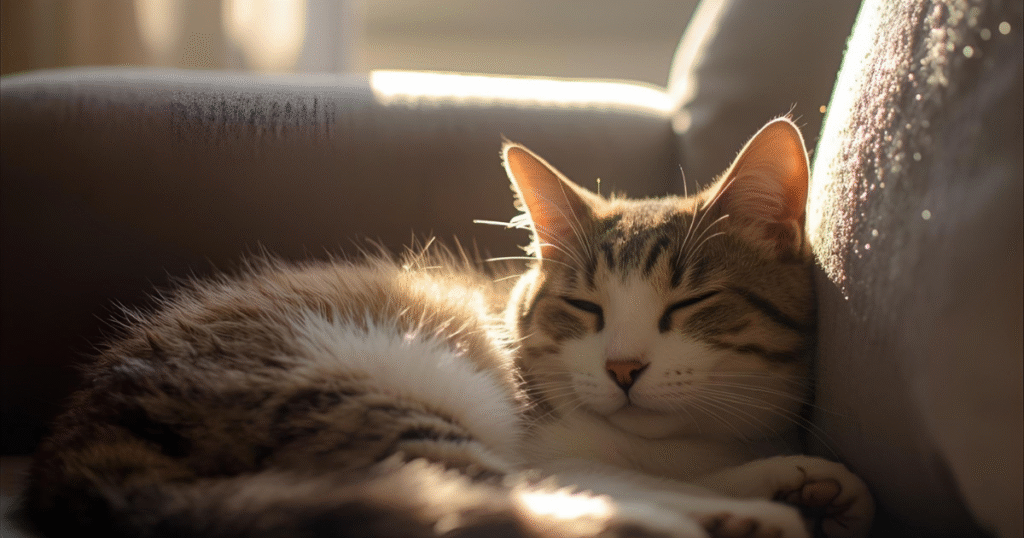
Helping Your Cat Sleep Better
Cats love comfort and routine — just like dogs.
Here’s how to create their dream nap zone:
1️⃣ Multiple cozy spots: window perches, beds, or soft blankets.
2️⃣ Quiet corners: avoid loud rooms or high foot traffic areas.
3️⃣ Evening play: a quick play session before bedtime mimics hunting and helps them sleep deeper.
4️⃣ Full belly: a small meal before sleep keeps them content through the night.
5️⃣ Soft lighting: cats feel safer when there’s a faint glow nearby.
💡 Pro tip: Never wake a sleeping cat — it can stress them and disrupt their sleep cycle.
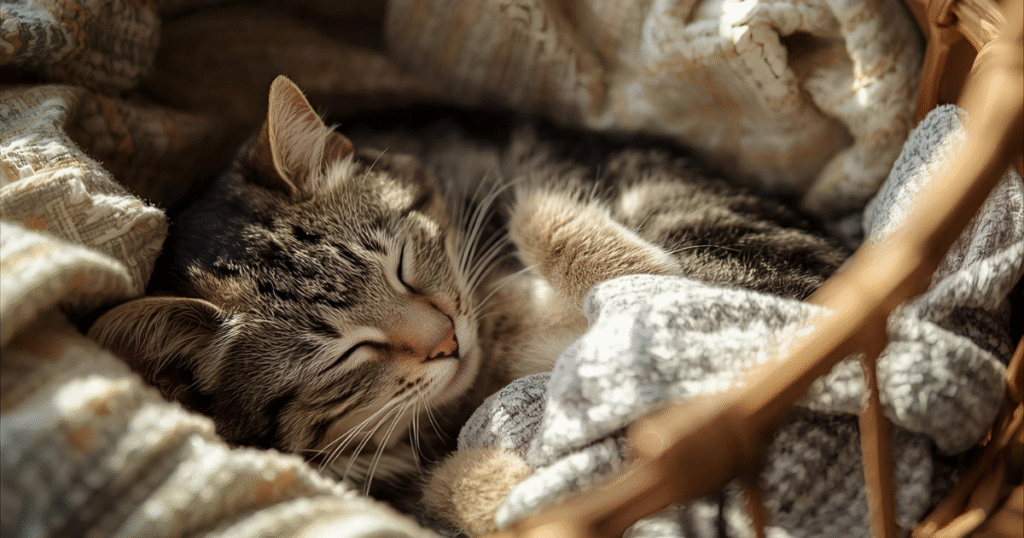
Comparing Cat and Dog Sleep Habits
| Sleep Trait | Dogs | Cats |
|---|---|---|
| Average Sleep (hrs) | 12–14 | 13–16 |
| Deep Sleep (%) | 20–25% | 10–15% |
| Sleep Pattern | Longer naps, more nighttime rest | Shorter, frequent naps all day |
| Dreaming? | Yes (visible paw twitching) | Yes (tail, whisker movement) |
| Best Bed Type | Soft, supportive, enclosed corners | Small, elevated, cozy spots |
Signs of Sleep Problems in Pets
Not all pets sleep well naturally.
Here are warning signs that might need attention:
🐶 Dogs:
- Constantly shifting positions
- Night whining or barking
- Snoring or breathing pauses
🐱 Cats:
- Loud crying at night
- Refusing to sleep in usual spots
- Restlessness or aggression after naps
If any of these continue for more than 3–4 days, it’s best to visit your vet. Sleep changes can reflect health issues like anxiety, pain, or hyperthyroidism.
Building the Perfect Pet Bedtime Routine
Healthy sleep comes from consistency.
Here’s a simple nighttime routine to follow:
🕐 1. Set a schedule: Try to feed, play, and rest at similar times daily.
🎶 2. Use calming cues: soft music, dim lights, familiar scents.
🍽️ 3. Keep meals light at night: heavy meals can disrupt rest.
🐾 4. Reduce stimulation: turn off loud devices or flashing lights.
💗 5. End with affection: a calm petting moment signals “safe to sleep.”
Within a week, most pets start associating these cues with bedtime and fall asleep faster.
Conclusion
Sleep isn’t just downtime for pets — it’s healing, memory, and emotional reset.
A well-rested pet is calmer, happier, and more affectionate.
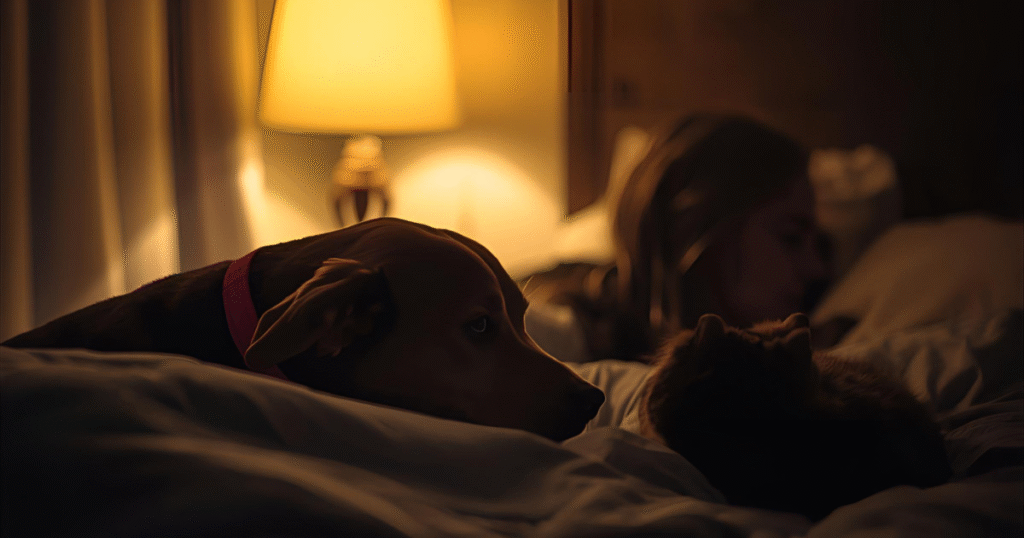
So next time your cat snoozes in a sunbeam or your dog curls up at your feet, remember: they’re not lazy — they’re recharging their little hearts. 💞
Let them dream of you, their favorite human. 🐾