

Introduction
Keeping your cat indoors is one of the best ways to protect them from danger and disease. But a healthy indoor life requires thoughtful care—nutrition, environment, play, and love. This guide walks you through every step to help your cat thrive indoors.
Disclosure: This post contains affiliate links. As an Amazon Associate, I may earn from qualifying purchases at no extra cost to you.
Why Keeping Your Cat Indoors Matters
Outdoor cats face hazards like traffic, predators, and infections. The ASPCA notes that indoor cats live longer, safer lives with fewer injuries and illnesses.
By providing enrichment, exercise, and social time, you can offer your cat the best of both worlds—safety and satisfaction.
Essentials of an Indoor Cat’s Environment
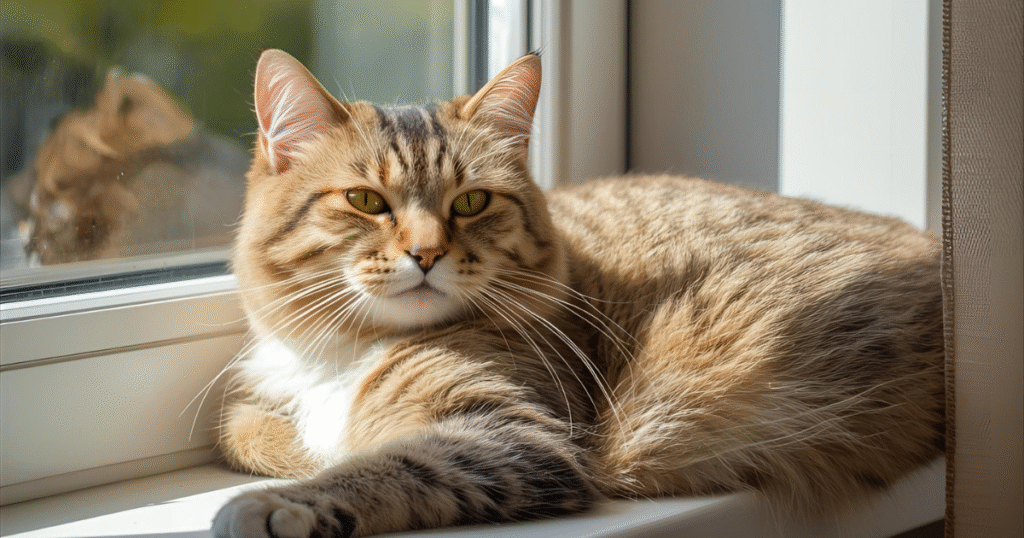
Create Safe, Stimulating Spaces
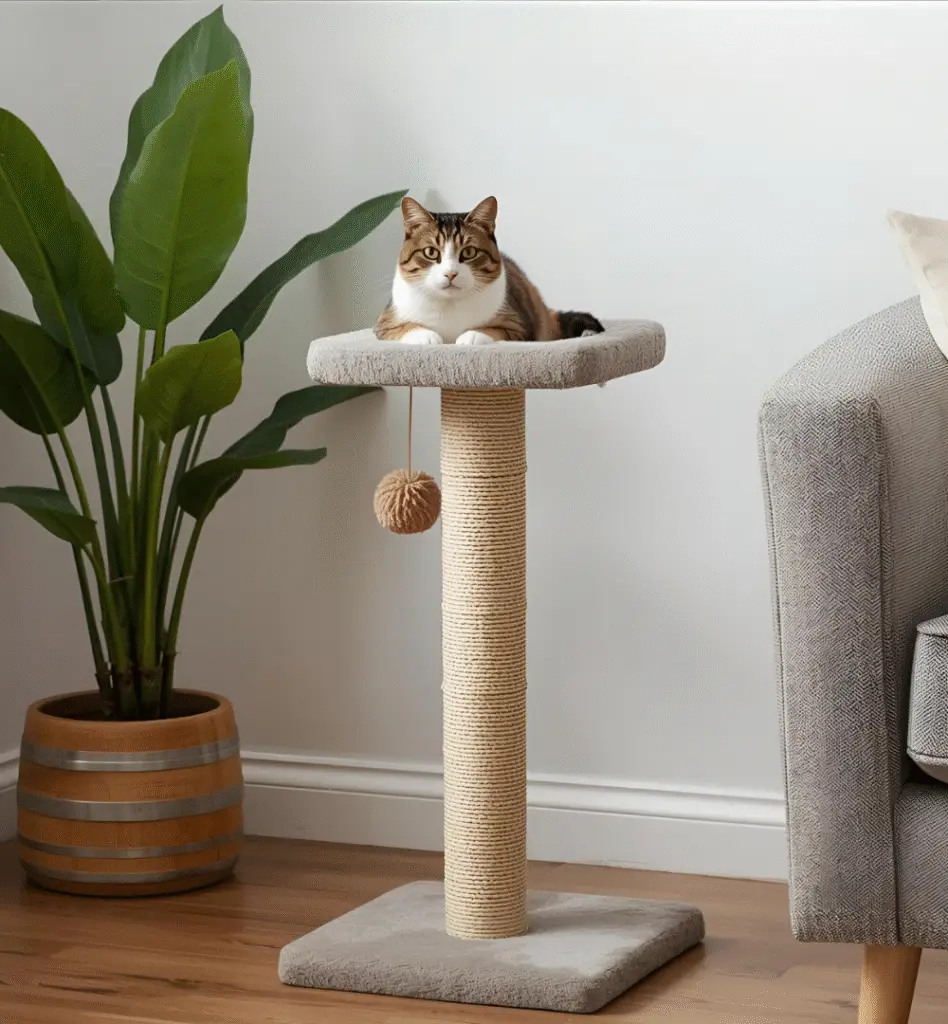
Cats crave vertical space. Add cat trees, perches, and window hammocks so they can observe their territory from above.
🛒 Recommended Product : window perches .
Litter Box Setup & Hygiene
Keep one litter box per cat, plus one extra. Choose unscented litter, scoop daily, and wash weekly to prevent accidents.
🛒 Recommended Products: self-cleaning litter boxes .
Feeding & Hydration
Indoor cats need balanced, portion-controlled meals. Provide fresh water in wide bowls or cat fountains to prevent whisker stress.
🛒 Recommended Products: cat fountain .
Nutrition & Health Basics
Because indoor cats burn fewer calories, overweight risk is higher. Choose food labeled for indoor cats—higher in protein, lower in fat.
Maintain regular vet visits, vaccinations, and dental cleanings to ensure long-term health.
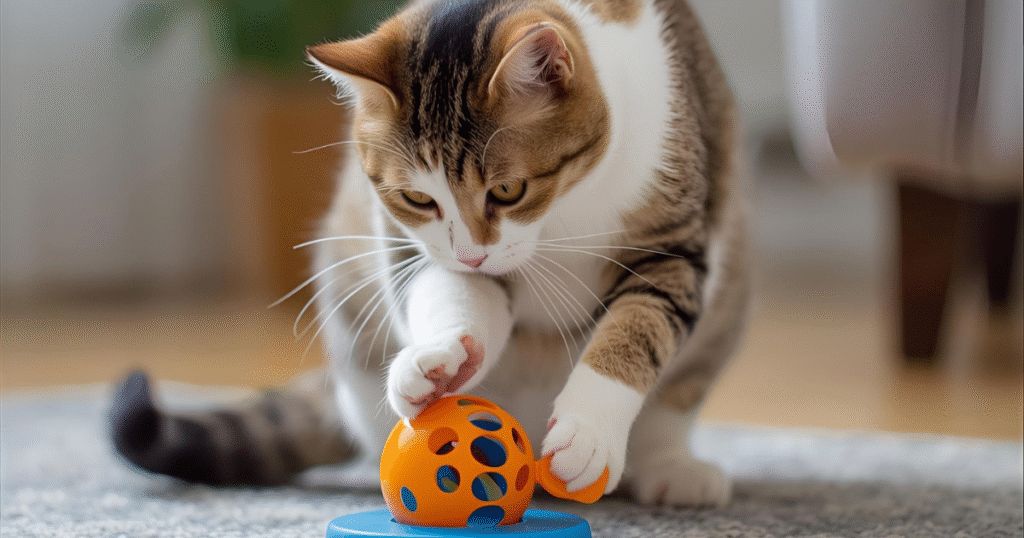
Enrichment & Exercise for Indoor Cats
Cats need mental stimulation. Schedule two 15-minute play sessions daily using interactive toys, tunnels, or feather wands.
🛒 Recommended Products: interactive laser toys and treat puzzles.
🎯 Pro Tip: Rotate toys weekly to keep things exciting.
Grooming & Cleanliness
Brush short-haired cats weekly and long-haired cats daily. Trim nails every 2–3 weeks and wipe eyes and ears gently.
🛒 Recommended Products: gentle cat brushes .
Behaviour & Social Needs
Even though cats seem independent, they crave companionship. Play, talk, and spend quiet time together to reduce anxiety.
Watch for stress signs—hiding, over-grooming, or aggression—and address them early.
When to Call the Vet
Contact your vet if you notice:
- Sudden appetite or thirst changes
- Litter box avoidance
- Weight loss or lethargy
- Coughing, vomiting, or hiding behavior
Conclusion
An indoor cat’s happiness depends on you. By creating a safe, fun, and loving environment, you ensure your cat lives a long, joyful life.
FAQs
Q1: How often should I brush my indoor cat?
Short-haired cats: weekly. Long-haired cats: every 2–3 days.
Q2: Can indoor cats live as long as outdoor cats?
Yes—often longer, thanks to fewer risks and controlled diets.
Q3: What’s the best litter box for indoor cats?
A quiet, spacious, open or covered box based on your cat’s comfort.