
Introduction
Pets need mental and physical stimulation to stay healthy and emotionally balanced. When daily enrichment is lacking, dogs and cats often develop boredom-related behaviors that can lead to stress, anxiety, or destructive habits.
Understanding the early signs of boredom helps prevent these problems and creates a happier environment for your pet. This guide explains the most common signals and simple ways to keep your pet engaged throughout the day.

Sign 1: Destructive Behavior
Chewing, scratching furniture, digging, and tearing items are some of the most obvious signs of boredom.
Dogs may chew shoes, blankets, or furniture when they lack stimulation.
Cats may scratch excessively or knock objects off shelves.
These behaviors are not spiteful; they are your pet’s way of releasing unused energy.
How to Fix It
- Introduce rotating toys, switching them every few days.
- Provide safe chewing options for dogs.
- Offer scratching posts or climbing shelves for cats.
- Schedule short but consistent play sessions twice a day.
For additional enrichment tools, see the DIY activities in our guide:
DIY Pet Toys You Can Make at Home.
Sign 2: Excessive Barking or Meowing
Vocalizing more than usual is another sign your pet needs attention or stimulation.
Dogs may bark at every small sound.
Cats may meow continuously for engagement, especially when left alone for long hours.
How to Fix It
- Add puzzle feeders or treat-dispensing toys to keep the mind busy.
- Increase interactive play such as tug, fetch, or wand toys.
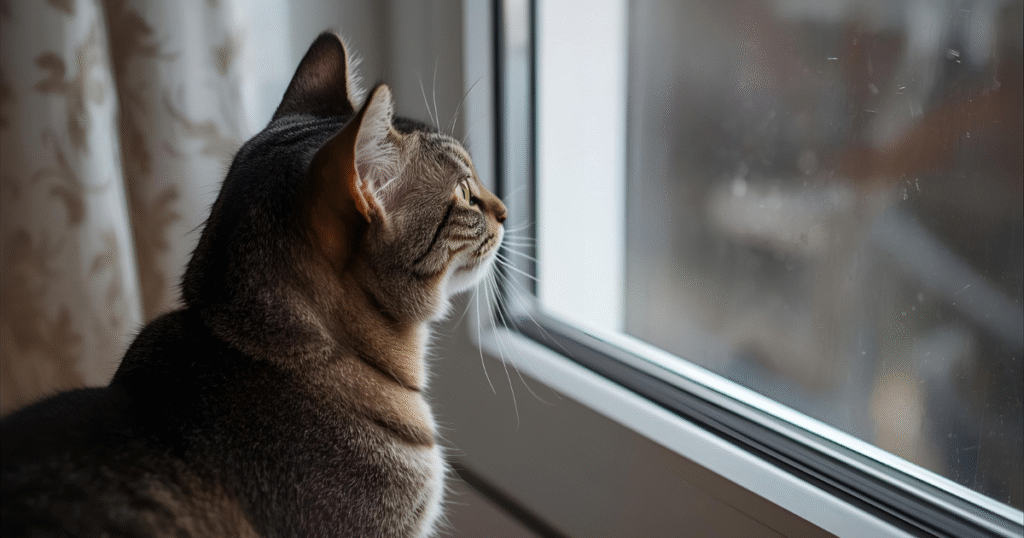
- Give your pet a comfortable viewing spot near a window for visual enrichment.
If vocalization appears to come with restlessness or anxiety, see our guide on calming techniques:
How to Calm an Anxious Pet During Storms or Fireworks.

Sign 3: Pacing or Restlessness
If your pet walks in circles, paces around the house, or constantly follows you from room to room, it may indicate mental under-stimulation.
Dogs often pace near the door hoping for a walk.
Cats may move restlessly from one area to another, unable to settle.
How to Fix It
- Schedule regular exercise routines such as walks, indoor games, or training sessions.
- Build daily structure with predictable feeding, play, and rest times.
For help structuring your day, visit:
How to Build a Daily Routine That Makes Your Pet Feel Safe.
Sign 4: Overeating or Excessive Sleeping
Sometimes boredom appears subtle.
A dog or cat may start overeating simply because there is nothing else to do.
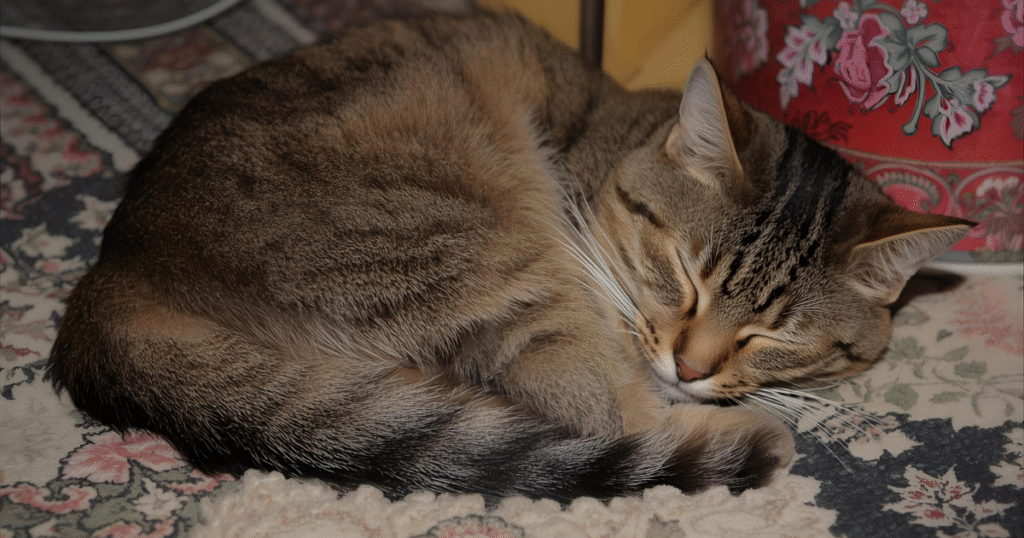
Others sleep far more than normal, not because they are tired, but because the day lacks stimulation.
While sleeping is normal for pets, a sudden increase in nap time or constant grazing at the food bowl may indicate boredom.
How to Fix It
- Use feeding puzzles to slow down eating and engage the brain.
- Break meals into smaller portions served several times a day.
- Add short training sessions to encourage movement and focus.
Learn what normal sleep cycles look like here:
How Much Sleep Do Cats and Dogs Really Need.

Sign 5: Constant Attention-Seeking
Some pets demand attention by nudging, pawing, meowing, barking, or placing toys at your feet repeatedly. While this can be endearing, it can also mean your pet feels understimulated or lonely.
How to Fix It
- Provide structured play sessions at set times each day.
- Introduce independent-play toys like treat mats or cat tunnels.
- Add gentle obedience or trick training to create mental engagement.
- For cats, offer vertical spaces, hiding boxes, and hunting-style toys.
Giving your pet predictable periods of interactive play reduces stress and helps them feel secure and fulfilled.

When to Seek Professional Help
If your pet’s behavior suddenly changes or becomes extreme, boredom may not be the only cause. Pain, illness, or anxiety disorders can mimic similar symptoms.
If destructive behavior, restlessness, or vocalization continue despite enrichment, consult your veterinarian or a certified behavior specialist.
For general behavioral guidance, you can also review the RSPCA’s enrichment recommendations:
https://www.rspca.org.uk/adviceandwelfare/pets/general
Conclusion
Boredom is common in pets, especially those who spend long hours alone or lack daily mental and physical stimulation.
By recognizing the early signs and adding simple activities into your routine, you can help your pet stay healthy, happy, and emotionally balanced.
Enrichment does not require expensive toys; even small daily activities such as short training sessions, rotating toys, or setting up a cozy window spot can make a meaningful difference.
A stimulated pet is a joyful pet — and a more peaceful home for everyone.