
Introduction
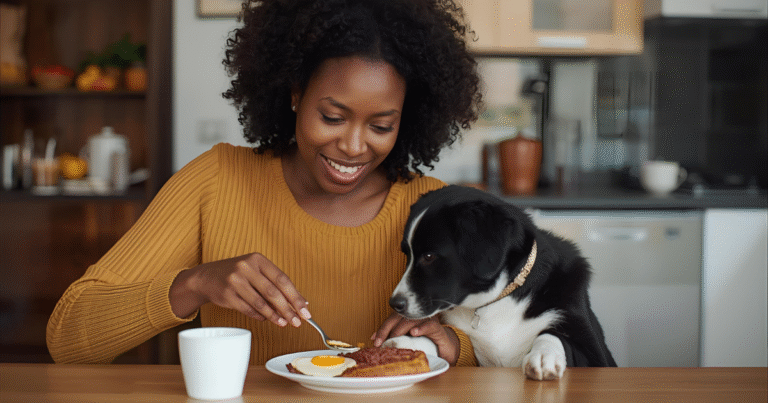
Bringing a puppy or kitten home is exciting — and a bit overwhelming. Preparing your home ahead of time helps the new arrival settle in faster, reduces stress for both of you, and keeps your home safe. This guide covers practical steps you can take before day one, during the first week, and in the months that follow so the transition is smooth and joyful.
1. Make a Safe Space
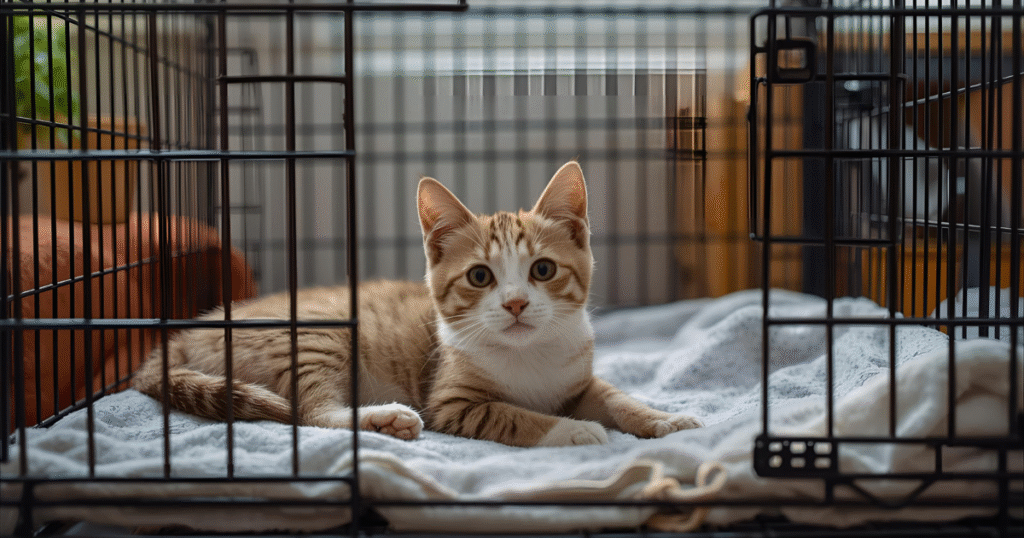
Create a dedicated, quiet area where your puppy or kitten can rest and feel secure. This should be a small space away from heavy foot traffic and loud appliances.
- For a puppy: use a crate or a gated area with a soft bed, water bowl, and a few chew-safe toys. Crate training helps with house training and gives the dog a den-like safe place.
- For a kitten: set up a small room with a litter tray, food and water bowls, a bed, and scratching options. Kittens often feel safest when they have a confined area at first.
Keep the safe space warm, comfortable, and free from hazards like dangling cords or small objects that can be swallowed.
2. Pet-Proof Your Home
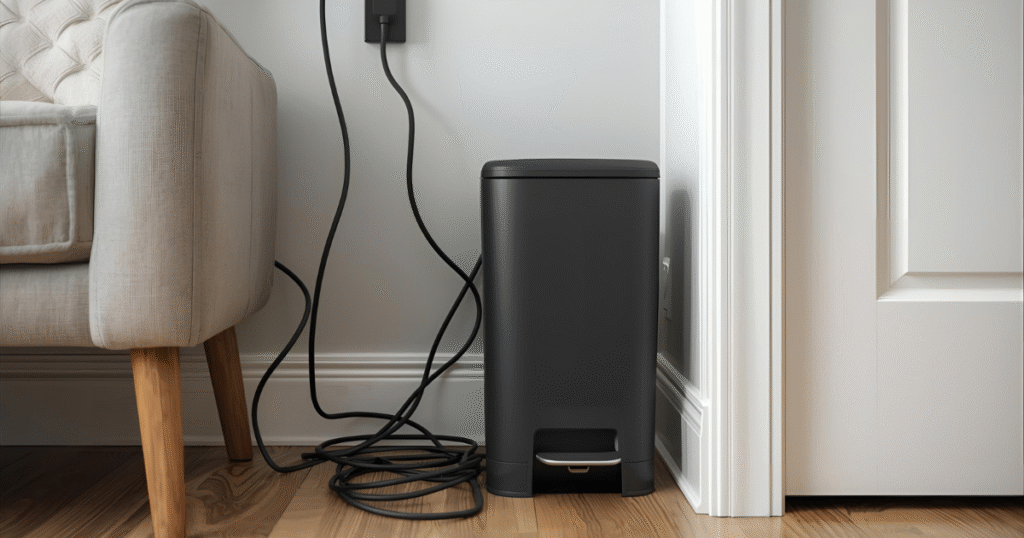
Pets explore by mouth and nose. Remove or secure items that could cause injury or be ingested.
- Electrical cords: cover or hide cords, use cord protectors, and unplug appliances when not in use.
- Small objects: keep coins, rubber bands, children’s toys, and medication out of reach.
- Toxic plants and foods: some houseplants and human foods (chocolate, grapes, onions) are dangerous. Check a trusted source like the ASPCA pet toxicity list before adding new plants or leaving food exposed. External reference: ASPCA Pet Poison Control.
- Secure trash and cleaning supplies: use lidded bins and store cleaning agents in closed cupboards.
- Block access to stairs or balconies if the new pet is very young.
3. Gather Essential Supplies
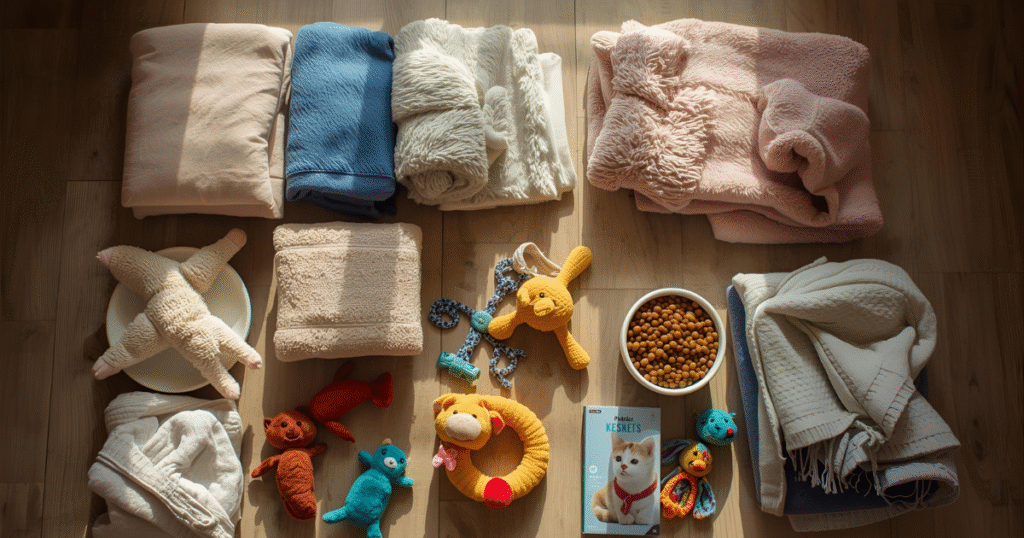
Having the right supplies on hand reduces stress during the first days.
For puppies:
- Collar and ID tag (with your phone number)
- Leash and harness
- Crate or gated area
- Food and water bowls (stainless steel recommended)
- Puppy-appropriate food (ask the breeder/rescue what they were eating)
- Chew toys and puzzle feeders
- Bed and blanket
For kittens:
- Litter tray and unscented litter
- Food and water bowls
- Scratching post or pad
- Soft toys and wand toys
- Small bed or blanket
- Carrier for trips to the vet
Buy appropriately sized items. Avoid toys with small detachable parts for young animals.
4. Plan a Simple Feeding and Care Routine
Animals thrive on consistency. Plan meals, play, and rest times to begin establishing a routine from day one.
- Puppies usually do well with three to four small meals per day depending on age. Follow breeder or vet recommendations for portion sizes.
- Kittens typically eat three to four times daily. If you adopt a very young kitten, follow rescue advice on feeding frequency and formula if needed.
Use the same or very similar food the animal is used to for the first few days to avoid stomach upset. Gradually transition to a new diet if needed.
For a complete routine template, see our guide: How to Build a Daily Routine That Makes Your Pet Feel Safe.
5. Introduce House Rules Gently
Decide in advance what is allowed (sofa access, sleeping spots, number of treats) and keep rules consistent across family members.
- If you don’t want the pet on furniture long-term, don’t allow it during the first days; mixed messages confuse animals.
- Establish simple commands for dogs (sit, stay, come) and set short training sessions to build confidence and structure.
- For kittens, provide approved places for climbing and scratching and use positive reinforcement for using them.
Short, consistent training sessions (5–10 minutes, several times a day) are effective and reinforce predictable behavior.
6. First Veterinary Visit and Identification
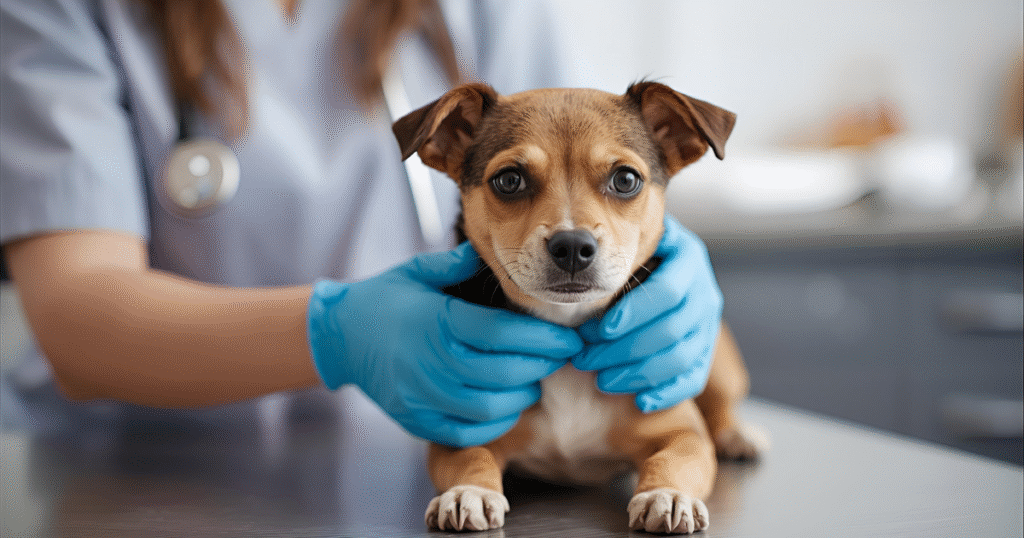
Schedule a vet visit within the first week to check health status, receive vaccines, and discuss deworming and flea prevention.
- Bring any records you received from the breeder or shelter.
- Discuss microchipping and ID tags for identification. Microchips are a permanent way to help reunite lost pets with owners.
A vet also guides you on vaccination schedules and diet adjustments.
7. Socialization and Early Handling
Early positive experiences shape a confident adult. Carefully introduce your puppy or kitten to new people, gentle sounds, and different textures.
- For puppies, socialization with other vaccinated dogs under controlled conditions is important between 3 and 14 weeks of age.
- For kittens, short supervised interactions with people and gentle handling helps build tolerance and trust.
Avoid overwhelming the animal. Allow them to approach new stimuli at their own pace and reward calm behavior.
8. Enrichment and Play
Enrichment prevents boredom and builds a bond.
- Rotate toys to keep interest high.
- Use puzzle feeders and treat-dispensing toys to encourage problem solving.
- For kittens, wand toys and climbing structures encourage hunting instincts.
- For puppies, short training games build focus and reward positive behavior.
See our DIY ideas in Easy DIY Pet Toys You Can Make at Home for budget-friendly enrichment.
9. Managing Sleep and Rest
New pets need lots of rest. Ensure their safe space includes a comfortable bed and a quiet place to nap. A crate for puppies can be a secure sleeping den; for kittens, provide warm, elevated spots.
If you’re unsure how much sleep to expect, check: How Much Sleep Do Cats and Dogs Really Need?.
10. First Week Checklist
- Set up the safe space and supplies before arrival.
- Pet-proof zones and secure hazards.
- Introduce a simple feeding and sleep schedule.
- Schedule the vet appointment.
- Begin gentle handling and short socialization sessions.
- Rotate toys and introduce one new enrichment item each day.
- Observe eating, drinking, bathroom habits, and sleep for any concerns.
FAQs
How long should I keep my new puppy or kitten in a small safe area?
Keep them in a small safe area for the first few days to one week while they adjust. Gradually expand their access to the house as they show calm, confident behavior.
When should I start training my puppy?
Start short training sessions immediately. Puppies learn quickly between 7–16 weeks. Keep sessions short (5–10 minutes), positive, and consistent.
How many toys should I provide?
Start with 4–6 toys and rotate them weekly. Include a mix of chew toys, soft toys, and puzzle toys for mental stimulation.
Should I change their food immediately after adoption?
It’s best to keep the food they were eating for the first few days to avoid digestive upset. Transition slowly over 7–10 days if you plan to change food.
When should I introduce my new pet to other pets at home?
Introduce pets slowly and under supervision. Keep initial meetings short and neutral, and separate them if tension rises. Use scent swapping (blankets) before a face-to-face introduction.
Conclusion
Preparing your home for a new puppy or kitten takes some planning, but the effort pays off in a calmer, happier transition. A safe space, consistent routine, proper supplies, and gentle socialization create the foundation for a confident, well-adjusted pet. With patience and predictable care, your new companion will soon feel at home.